Fiber: The Most Underrated Nutrient in Your Kitchen
While protein gets the influencers and supplements get the ads, fiber sits quietly in the corner with the best long-term evidence in nutrition and the worst marketing team. The stats say most of us eat barely half of what we need. The fix is painless and cheaper than any powder.


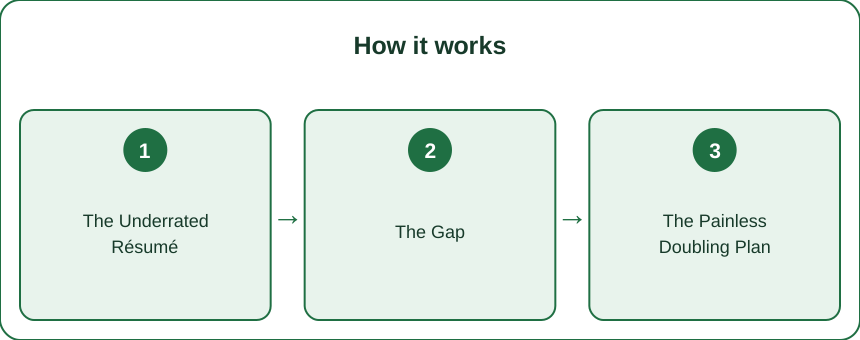
The Underrated Résumé
Fiber’s actual job list: feeds the gut microbiome (fiber is literally what your beneficial microbes eat — the ferment aisle’s groceries), steadies blood sugar (slowing absorption — the free glucose-curve flattener), supports cholesterol management (soluble fiber’s well-documented specialty), keeps you fuller longer (the satiety effect that makes high-fiber eating accidentally portion-controlling), and the regularity thing everyone reduces it to. Large studies keep linking higher fiber intake to lower risks across the chronic-disease board. The résumé is stacked; the PR is nonexistent.
The Gap
The uncomfortable numbers: recommended intake sits around 25-30g daily; the average woman eats roughly 15g. That gap is arguably the most consequential everyday nutrition shortfall — bigger than most of the deficiencies that get supplement aisles. The cause is structural: modern convenient food is systematically fiber-stripped (white bread, white rice, juice instead of fruit), so closing the gap means re-inserting what processing removed.

The Painless Doubling Plan
The swaps that add up: breakfast oats or high-fiber cereal (5-8g before 9am changes the whole day’s math), beans somewhere daily (the single densest move — half a cup adds 6-8g; soups, salads, tacos, the humble chili), the whole-grain swap (brown rice, whole-wheat pasta, actual whole-grain bread), fruit with the skin ON and instead of juice, and the seed sprinkle (chia and flax are fiber confetti for yogurt and smoothies). Each swap is invisible effort; together they double the number.
The Fine Print
The two rules of the transition: go GRADUALLY (doubling overnight introduces you to fiber’s gassy diplomacy — add one swap per week and the gut adapts smoothly), and drink more water (fiber works with fluid; without it, the magic stalls). Whole foods beat supplements for the full package (fiber powders help specific gaps but skip the vitamins and satiety of the real thing). The bar is low, the evidence is high, and the beans have been ready this whole time.
Oats at breakfast, beans daily, skins on, one swap a week. Fiber never needed better marketing — it needed you to know the gap existed. Now you do, and the fix costs beans.
Keep Reading
This article is for general informational purposes only and is not medical advice. Always consult a qualified health professional for guidance specific to you.